Never done Pilates?
Perfect.
A landing page and booking journey for Fernhouse Pilates, a fictional reformer studio. It is built to turn Instagram curiosity into a booked first class, in under a minute.
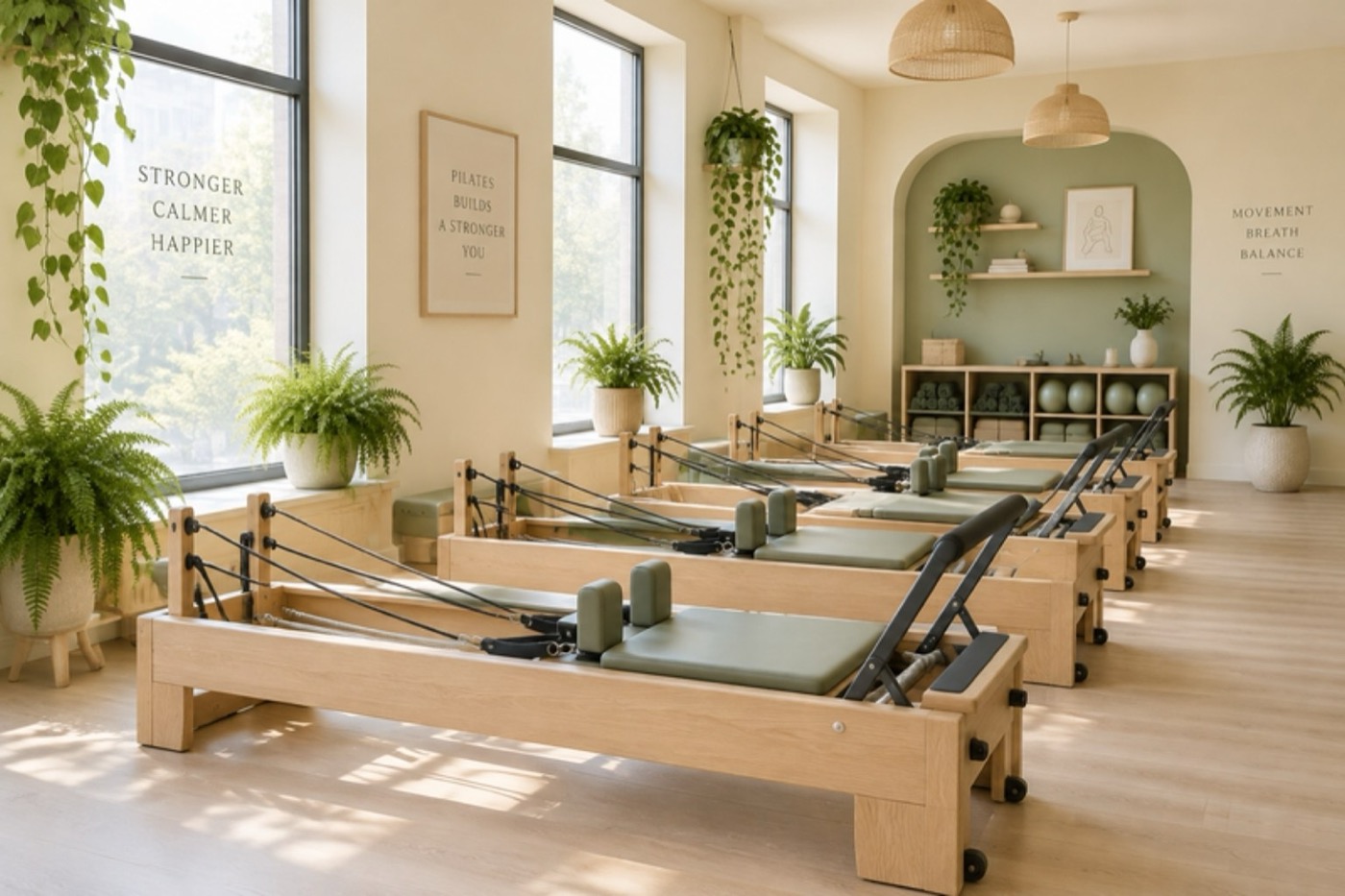 Concept imagery
Fernhouse Pilates (fictional), a new reformer studio
Landing page, offer and booking journey
Instagram & Facebook ads, bio link
Booked (and attended) first classes
Fill the first classes of a new studio.
Purpose Agree what the page has to do before designing anything.
A new reformer studio
Small groups, one neighbourhood, opening soon. It needs a steady flow of first-time visitors who stay on as members.
One page for paid traffic
A landing page that ads and the Instagram bio can point to, separate from the main website.
Booked and attended
Not clicks or page views. A first class that is booked, attended, and leads to a second visit.
Curious, but not sure it’s for them.
Purpose Know who lands on the page, and what stops them from booking.
The curious beginner
Working professional, 25–40, lives or works nearby. Has saved Pilates Reels for months but never tried it.
I’d love to try it, but I’m not flexible and I don’t want to look lost.
- Wants
- A gentle, guided start and to know exactly what happens in class.
- Worries
- Being the only beginner, hidden costs, a long commitment.
- Decides on
- Phone, mostly in the evening, straight from an Instagram ad.
The gym switcher
Already works out but is bored of the gym, or wants something lower-impact alongside it.
Is it actually a workout, or just stretching?
- Wants
- A real challenge, good instructors and times that fit around work.
- Worries
- Paying boutique prices for something too easy.
- Decides on
- Schedule, location and a clear first-class price.
Personas are assumptions for this concept. In a real project, I’d check them against the studio’s enquiries and a few short customer calls.
Interest leaks out before anyone books.
Purpose Map where a typical studio journey loses people, so the page can fix each step.
Ad → homepage
The ad promises a beginner class. The click lands on a general homepage with six menu links.
Message mismatchLooking for price
Prices are missing, or hidden behind “DM us”. Many people won’t send that DM.
Hidden cost“Is this for me?”
Nothing answers the beginner’s worries about flexibility or fitness level.
Unanswered fearBooking
Booking means downloading an app and creating an account before seeing a time slot.
Too many stepsAfter booking
No reminder and no “what to bring”, so some people simply don’t show up.
No-showsA common pattern for boutique studios, used here as the starting point for a fictional brand. It is not data from a real business.
The fear isn’t the workout.
Purpose Find the one truth that the headline, offer and page should be built around.
Beginners don’t fear the exercise. They fear walking into a room where everyone else already knows what they’re doing.
So the page shouldn’t sell Pilates. It should sell a safe first hour: a beginners-only class, a small group, an instructor who explains the machine, and a clear price. Once that fear is gone, booking feels easy.
One page. One offer. One action.
Purpose Remove every choice that isn’t “book your first class”.
Match the ad
The headline repeats the ad’s promise word for word, so the click feels like the right place.
Make the first step small
A low-cost first class rather than a membership. Ask for the smallest yes first.
Answer fear before asking
Show what happens in class and answer the beginner questions before the booking button repeats.
Reassure
“Never done Pilates? Perfect.”
Offer
First class, beginners only, clear price.
Explain
What happens in your first 50 minutes.
Answer
Flexibility, fitness, what to wear, parking.
Book
Pick a time. Name + WhatsApp. Done.
₹499
Beginners-only reformer class in a group of six, with grip socks included.
- Beginners onlyRemoves the fear of being the only new person in the room.
- Groups of sixSignals attention from the instructor, not a crowded class.
- Price shown upfrontNo “DM for price”. A clear, low number is easy to say yes to.
- Grip socks includedOne less thing to buy or worry about before the first visit.
- Free rescheduleUp to 12 hours before, so booking doesn’t feel risky.
The price is a placeholder for the concept. In a real project it would be set with the studio, based on its costs and class capacity.
The page.
Purpose Show the design, the copy and the reason behind every block.
Our beginners-only classes start from zero. Six people, one instructor who shows you everything, and a first class for ₹499.
Is this for me?
Choose a time
The only thing to click is booking. No paths that lead away from the goal.
Speaks straight to the beginner’s worry and turns it into a reason to come.
₹499 is visible before the click, with three reassurances right under the button.
A minute-by-minute picture removes the fear of the unknown.
The three questions beginners actually ask, answered in one line each.
Real times without an app download. Spots left are shown only when true.
For people not ready to book, a WhatsApp chat keeps the lead instead of losing it.
Interactive demo · nothing is sent
Three taps to a booked class.
Most visitors arrive from Instagram on their phone, so the booking flow is designed mobile-first. Try it on the left.
- Pick a time. Days and slots in one screen. No account, no app.
- Two details. Name and WhatsApp number only. Email and health questions can wait until the first visit.
- Confirmed. A clear summary, what to bring, and a WhatsApp confirmation. Payment can happen online or at the studio, whichever the studio prefers.
What makes someone book.
Purpose Name the levers on the page, so each one can be tested and improved.
“This is for me”
The headline speaks to beginners by name. People act when the page clearly describes them.
A small first yes
One class, a clear price, free reschedule. A small, reversible decision is easier than a big one.
No surprises
The class timeline and FAQ show exactly what will happen. Uncertainty is what makes people delay.
Three taps
No app, no account, two fields. Every extra step loses some people.
Real spots left
Small groups mean limited places, shown only when it’s true. No fake countdown timers.
Proof, when it exists
Instructor names and certifications at launch, then real member reviews once the studio has them. No invented testimonials.
A booking isn’t a visit.
Purpose Make sure booked people show up, and that the first class leads to a second.
Time, address with a map pin, and a one-tap reschedule link.
“See you tomorrow”, what to wear, and where to park.
The instructor knows it’s their first class and explains the reformer before starting.
A short check-in, and an offer to book the next class while the feeling is fresh.
A first-month pack for new members, valid for a few days only after the first class.
Wear comfy, close-fitting clothes. We’ll have grip socks ready for you. Arrive 10 minutes early and we’ll show you the reformer.7:42 pm
What I would measure.
Purpose Track the whole journey, not just clicks, so we know which step to fix next.
| Metric | Stage | What it tells us | How it’s tracked |
|---|---|---|---|
| Landing page views from ads | Arrive | Whether the ads bring the right people at a sensible cost | Ad platform + page analytics with UTM tags |
| “Pick your first class” click rate | Interest | Whether the headline and offer convince people | Button click event |
| Booking completion rate | Book | Whether the 3-step flow is easy enough | Step 1 → step 3 funnel events |
| WhatsApp chats started | Book | How many people need a conversation before booking | Click-to-chat event + WhatsApp Business labels |
| Show-up rate | Visit | Whether reminders work | Studio booking system check-ins |
| Second-class / intro-pack rate | Stay | Whether the first experience is good enough | Booking system, tagged by first-class source |
| Cost per attended first class | Overall | The real cost of a new visitor, not just a click | Ad spend ÷ attended first classes |
Reassurance vs. price-first
Does easing the fear beat leading with the offer? Measured on click rate and completed bookings.
Form vs. conversation
Some people prefer to chat first. Measured on bookings and show-up rate, not just leads.
People vs. place
What builds more trust for a new studio with no reviews yet? Measured on click rate.
Set the baseline
Run the page as designed and record every metric above. No targets until there is real data.
Fix the biggest leak
Find the step with the largest drop-off and test one change at a time.
Optimise for members
Judge ads and page changes by cost per attended class and second-visit rate, not by clicks.
This is a concept project for a fictional brand. There are no results to report, so this section sets out proposed goals and a measurement plan instead.
Need a page that
actually converts?
I’m Riya, founder of Riya Desk. I combine strategy, creativity and AI to help businesses become the brand people choose.